Unspecified Trauma Therapy

Learn more about our program for unspecified trauma and trauma related disorders at The Bridge to Recovery.

Healing from Unspecified Trauma at The Bridge to Recovery

Trauma comes in many forms. Sometimes it is clearly defined by a specific event, such as an accident, loss, or abuse. Other times, it manifests as a persistent feeling of distress or emotional pain without a clear origin. This kind of unspecified trauma can be deeply confusing and isolating. At The Bridge to Recovery, we understand that not all wounds are visible or easily labeled. Our specialized program is designed to help you explore, understand, and heal from trauma — even when the details feel unclear or overwhelming.

Healing Unspecified Trauma at the Bridge to Recovery

The Bridge to Recovery specializes in helping individuals heal from unspecified trauma—emotional distress without a clearly defined cause, often stemming from chronic stress, subtle emotional harm, or complex relationships. This type of trauma can cause anxiety, sadness, numbness, trust issues, concentration problems, and physical symptoms without a medical explanation. Our program uses group and peer support, creative therapies, and holistic wellness practices such as yoga, nutrition, and becoming closer with nature. Our program focuses on safety, self-compassion, symptom management, and rebuilding identity. The program addresses common misconceptions about trauma, emphasizes that healing does not require reliving pain or pinpointing a single event, and offers ongoing aftercare to support long-term recovery in a compassionate, supportive retreat environment.

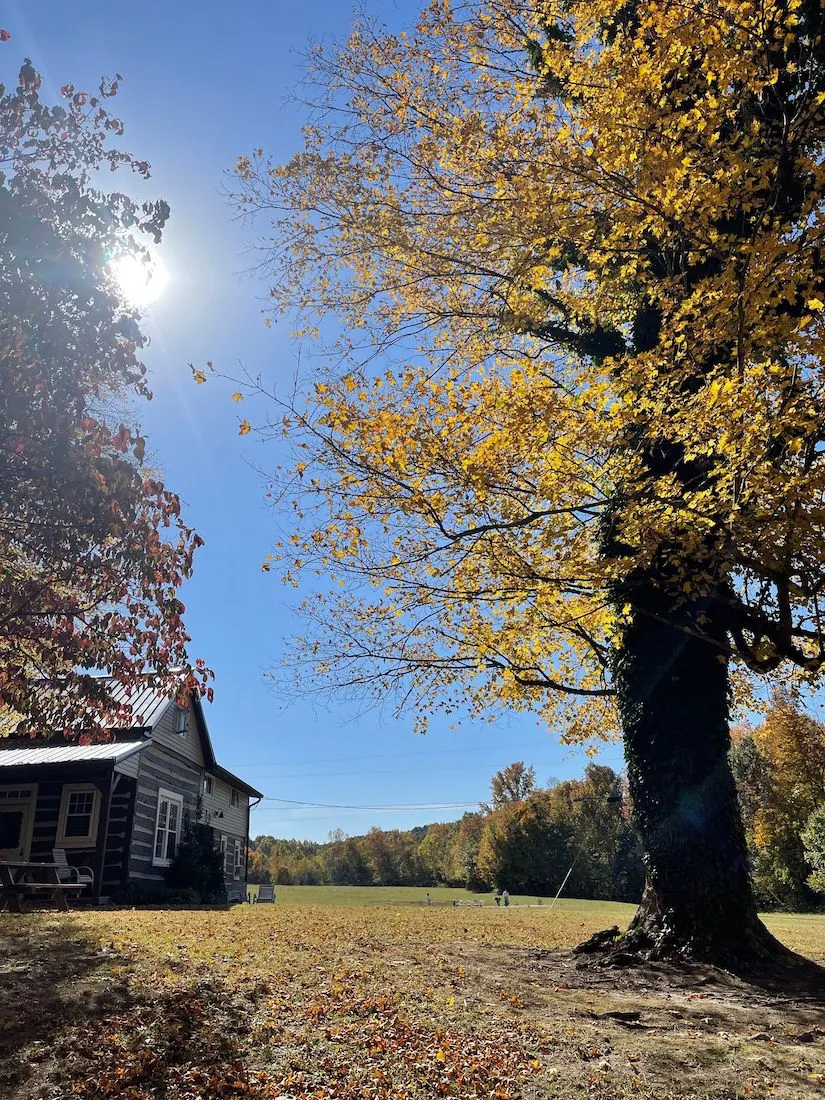
Just an hour and 20 minutes North from Nashville, Tennessee sits our healing refuge. Hidden away on 120 acres of rolling Kentucky hills.

Understanding Unspecified Trauma

Unspecified trauma refers to emotional or psychological distress caused by experiences that may be difficult to identify, remember, or articulate. This type of trauma can result from chronic stress, neglect, complex family dynamics, or subtle but ongoing emotional harm. It may not stem from one single event but rather a combination of factors that accumulate over time.

Individuals living with unspecified trauma often struggle with:

  • A vague sense of anxiety or fear that seems disproportionate
  • Persistent feelings of sadness, emptiness, or numbness
  • Difficulty trusting others or feeling safe in relationships
  • Challenges with memory, concentration, or emotional regulation
  • Physical symptoms such as headaches, fatigue, or digestive issues without a clear medical cause

Because unspecified trauma can be elusive and layered, traditional diagnostic tools may not always capture its full impact. This is why a compassionate approach to trauma is essential.
Why Specialized Trauma Therapy Matters

At The Bridge to Recovery, we believe trauma healing is not about labeling or minimizing your experience. It’s about validating your pain and guiding you towards reclaiming your life, resilience, and joy. Our trauma group therapy addresses the complex ways trauma can affect your mind, body, and spirit — especially when the source of trauma isn’t clearly defined.

Unspecified trauma often disrupts your sense of identity and safety. It can leave you feeling fragmented or disconnected from yourself and others. Group therapy helps rebuild this foundation by:

  • Providing a safe, nonjudgmental space to explore your feelings
  • Helping you make sense of emotional responses and patterns
  • Teaching tools to manage symptoms and reduce distress
  • Encouraging self-compassion and empowerment in your healing journey

Our therapists are experienced in working with complex and nuanced trauma presentations. They use evidence-based practices tailored to your unique needs and pace.

Our Approach to Therapy for Unspecified Trauma

Healing unspecified trauma requires a holistic, trauma-informed approach that integrates psychological, emotional, and physical healing. At The Bridge to Recovery, we offer a blend of therapeutic modalities to support your recovery:

You are not alone. Group therapy provides a sense of connection with others who understand the complexities of unspecified trauma. Sharing experiences and hearing others’ stories can reduce isolation and promote healing through mutual support.

Trauma can be hard to put into words. Art therapy, music therapy, and movement therapies offer alternative ways to express and process emotions safely and creatively.

Healing involves nurturing your whole being. Our retreat environment supports wellness through:

  • Yoga and meditation to calm the nervous system
  • Nutritional counseling to support brain health
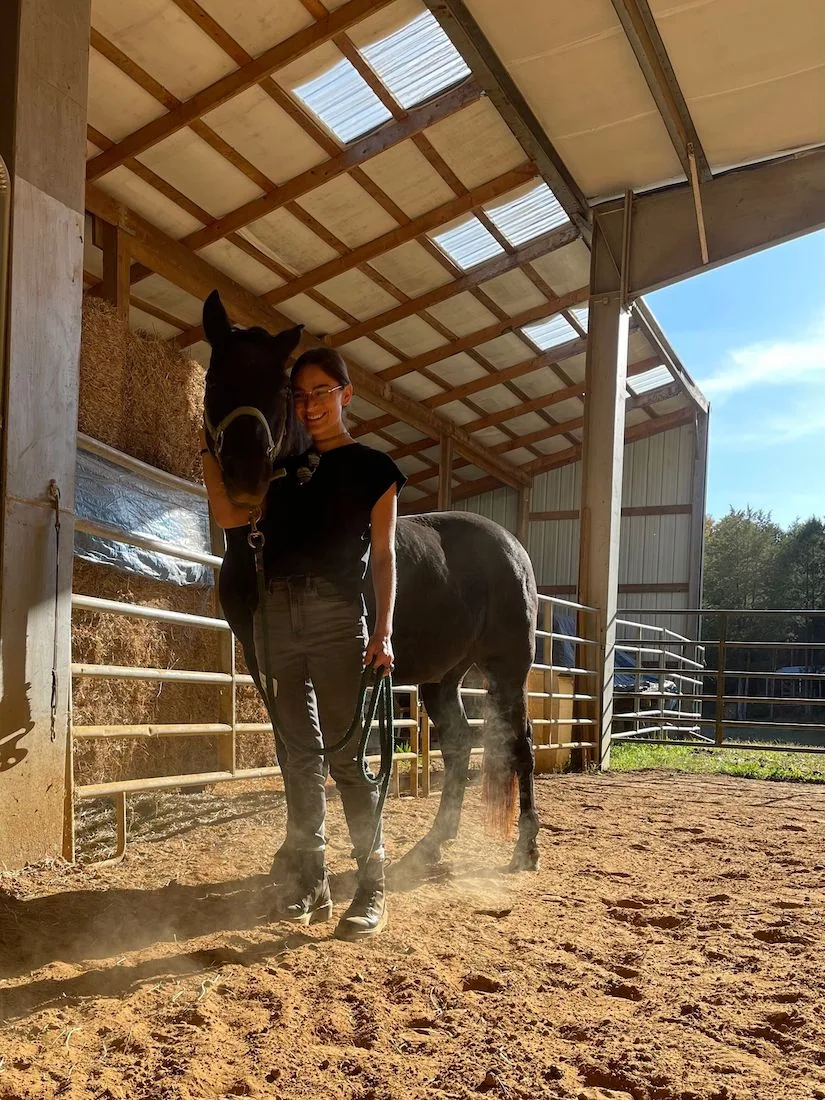
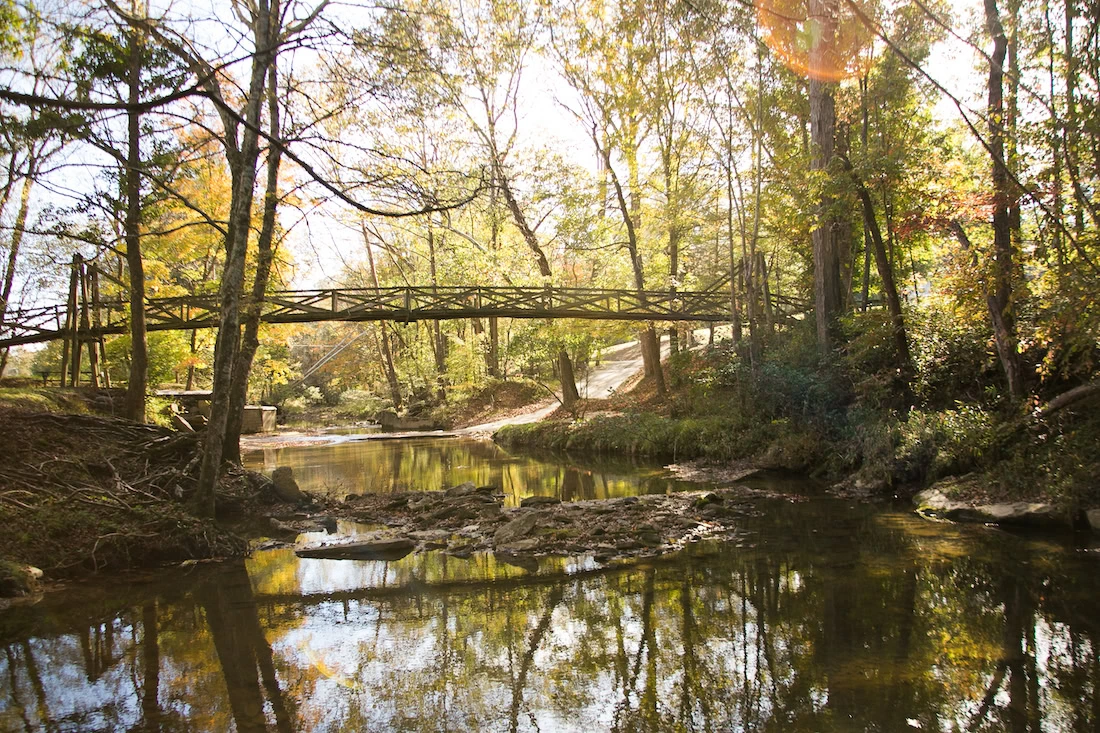
  • Nature therapy to restore peace and balance

Workshops on sleep hygiene, stress management, and emotional regulation

Why Choose The Bridge to Recovery for Trauma Therapy?

Choosing a place to heal is deeply personal. At The Bridge to Recovery, we offer more than just therapy — we offer a community committed to your whole-person healing. Here’s why clients trust us for unspecified trauma recovery:

  • Compassionate, Experienced Staff: Our therapists are trauma specialists with extensive training in complex trauma.
  • Safe, Supportive Environment: Our retreat setting is designed to be a sanctuary for healing, free from judgment or pressure.
  • Integrated Care Model: Combining evidence-based therapies with holistic wellness practices enhances long-term recovery.

Aftercare and Continued Support: Healing doesn’t end when you leave the retreat. We provide resources and follow-up to support your ongoing journey.

Getting Started

What to Expect When You Begin Therapy for Unspecified Trauma

Starting therapy can feel daunting, especially when your trauma is hard to define. At The Bridge to Recovery, we walk alongside you every step of the way with care and respect.

Initial Assessment

Your healing journey begins with a thorough but gentle assessment to understand your symptoms, history, and goals. This step is about building rapport and creating a safe foundation.

Collaborative Goal Setting

Together, you and your therapist will identify goals that matter most to you — whether it’s reducing anxiety, improving relationships, or reconnecting with your sense of self.

Building Skills for Resilience

A key part of therapy is equipping you with tools to manage distress and strengthen resilience, so you feel more empowered in daily life.

Ongoing Support

Healing is a process with ups and downs. We provide ongoing support to help you navigate challenges and celebrate breakthroughs.

Common Myths About Unspecified Trauma and Healing

Many people carry misconceptions about trauma that can hinder seeking help. Let’s address a few:

  • Myth: Trauma has to be linked to a single, dramatic event.  Trauma can be subtle and cumulative. Emotional neglect, ongoing stress, or ambiguous experiences can cause significant trauma.
  • Myth: If I don’t remember the trauma, I can’t heal. Healing doesn’t require perfect memory. Therapy helps access and process what is ready to surface in your own time.
  • Myth: Therapy will make me relive my pain. Trauma-informed therapy prioritizes safety and pacing. You control how much you explore and when.
  • Myth: I should be able to just “move on.” Trauma recovery is complex and non-linear. Patience and self-compassion are essential.

If you’ve been struggling with emotional pain, confusion, or distress that feels like it has no clear cause, know that healing is possible. At The Bridge to Recovery, we are honored to be part of your journey from survival to thriving.

Reach out today to learn more about our specialized therapy programs for unspecified trauma. Let us help you build a bridge from pain to peace, one compassionate step at a time.

Request a Confidential Callback