Interpersonal Trauma Therapy

See how The Bridge to Recovery’s three‑step, small‑group program helps adults heal from relationship trauma, rebuild trust, and find connection.

A Wound Only Trust Can Heal

Emily knew the café was safe—bright lights, friendly baristas, the smell of cinnamon rolls. But when a stranger brushed her shoulder, she almost ran. Her brain, still wired for danger after years of betrayal, shouted Run!

That hair‑trigger fear is common with interpersonal trauma—hurt caused by the very people we count on for love. The hard truth is that the best way to heal is through new, healthy relationships.

On 115 peaceful acres in Kentucky, The Bridge to Recovery guides people like Emily back to real connection. Our three-phase, group program moves survivors—often anxious and guarded—from fear to freedom. No quick fixes, no one‑size‑fits‑all plans; just a careful journey with nine other guests and a team of caring, seasoned clinicians.

Interpersonal Trauma Therapy at the Bridge to Recovery: An Overview

Interpersonal trauma—harm from trusted individuals such as through abuse, neglect, or betrayal—can leave survivors anxious, guarded, and disconnected, often battling depression, PTSD, or self-blame. The Bridge to Recovery in Kentucky helps heal these wounds through a relationship-based, three-step group program set in a peaceful, rural retreat. Small, stable cohorts of up to ten participants work with experienced clinicians to build safety, process trauma, and practice new relational skills.

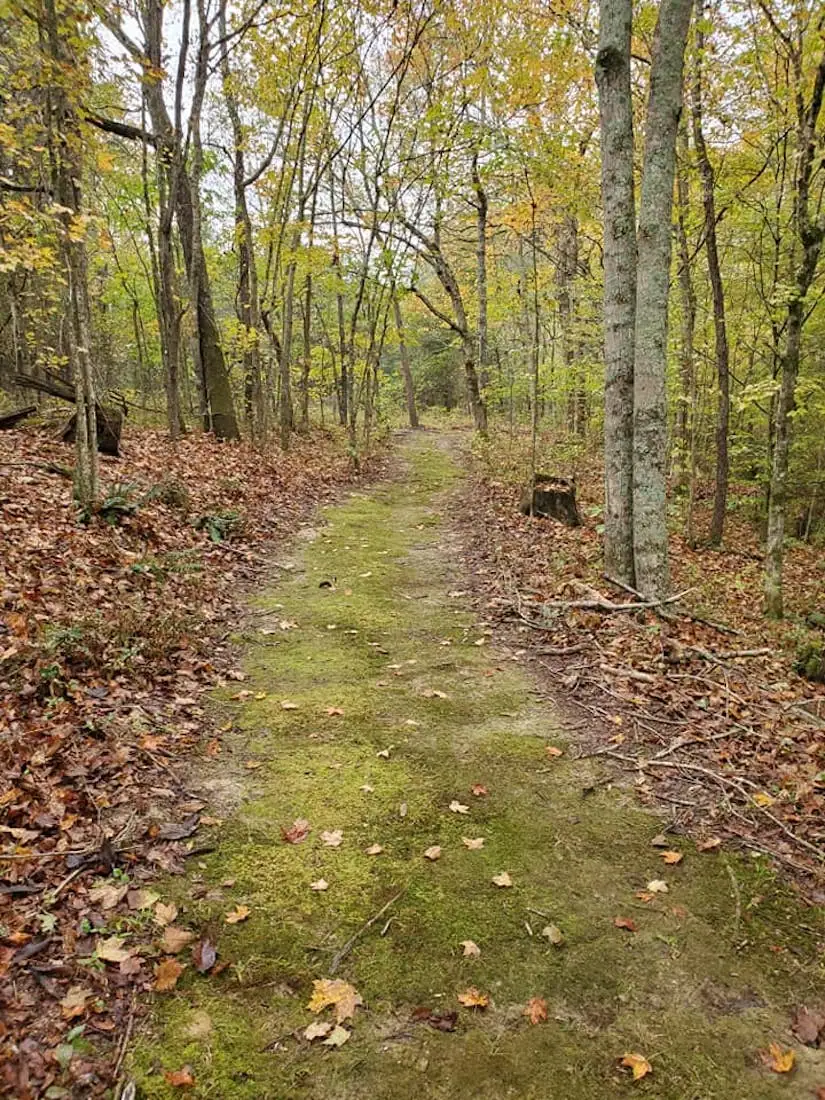
Just an hour and 20 minutes North from Nashville, Tennessee sits our healing refuge. Hidden away on 120 acres of rolling Kentucky hills.

What Is Interpersonal Trauma?

It’s harm done by people you trust: childhood neglect, sexual assault, domestic violence, constant put‑downs—wounds that shake your sense of safety.

  • It’s common. The CDC says 1 in 7 U.S. children face abuse or neglect each year. About 1 in 4 women and 1 in 9 men will experience severe partner violence in their lifetime, notes the APA.
  • It lasts. Survivors often battle depression, anxiety, complex PTSD, or a “fawn” response—people‑pleasing to stay safe.
  • It shames. As trauma expert Dr. Judith Herman explains, interpersonal wounds whisper, “This is your fault,” trapping many in secrecy and self‑blame.

Without care, these hidden scars wreck jobs, friendships, and even sleep—how do you rest when your body thinks the world is on fire?
Why Healing Happens in Relationship

After betrayal, isolation feels safe: If I trust no one, no one can hurt me. Makes sense, yet the brain repairs relationship pain through new, safe relationships. A good group for therapy for relationship issues offers:

  1. “Me too” moments. Hearing someone else share your secret fear melts shame.
  2. Practice space. You can set boundaries, disagree, ask for help, and mess up without judgment.
  3. Brain reset. Repeated kindness calms the threat alarms in your nervous system.

As Dr. Herman says, trauma is a social wound that needs a social cure.

How The Bridge to Recovery Stands Out

Founded over 50 years ago, The Bridge mixes strong clinical work with a warm, country setting. Guests drive past horse pastures and hear frogs by the creek—a reminder that life can be safe again. Each person joins a small cohort (max 10) and can stay with that same group through all three steps—no revolving‑door roommates, no retelling your story to strangers every week.

Step 1: Uncover & Discover (2 Weeks)

Story sharing, trauma education, grounding skills, art, mindfulness, and even equine therapy. Imagine evening bonfires where secrets meet nods of understanding instead of silence. Many guests say they finally “exhaled” after years of holding it in.

Step 2: Digging Deeper

Focus shifts to everyday patterns: Why do I say yes when I want to say no? Why does praise feel scary? Through role‑plays, CBT tools, and body work, clients build a toolbox—boundary scripts, calming moves, kinder self‑talk.

Step 3: Self‑Guided Healing

With new confidence, clients co‑lead sessions, practice hard phone calls with family, and build relapse‑prevention plans. Alumni often return for reunions—proof the bridge stretches far beyond campus.

Learn More

FAQ—Real Questions, Honest Answers

“I freeze in groups. What if I can’t talk?” Listening is fine. Silence is welcome. Safe faces melt frozen words over time.

“Is this only for childhood trauma?” No. The Bridge helps adults healing from recent break‑ups, workplace bullying—any relationship wound, old or new.

“How long will I be away?” Core workshop: two weeks. Many stay for Steps 2 & 3; you and your clinicians decide together.

“What therapies do you use?” A blend: CBT, group process, equine work, art, mindfulness, and body‑based methods. One size never fits all.

“Who helps me after I leave?” Your team lines up outpatient therapy, alumni groups, and virtual check‑ins. Healing keeps going.

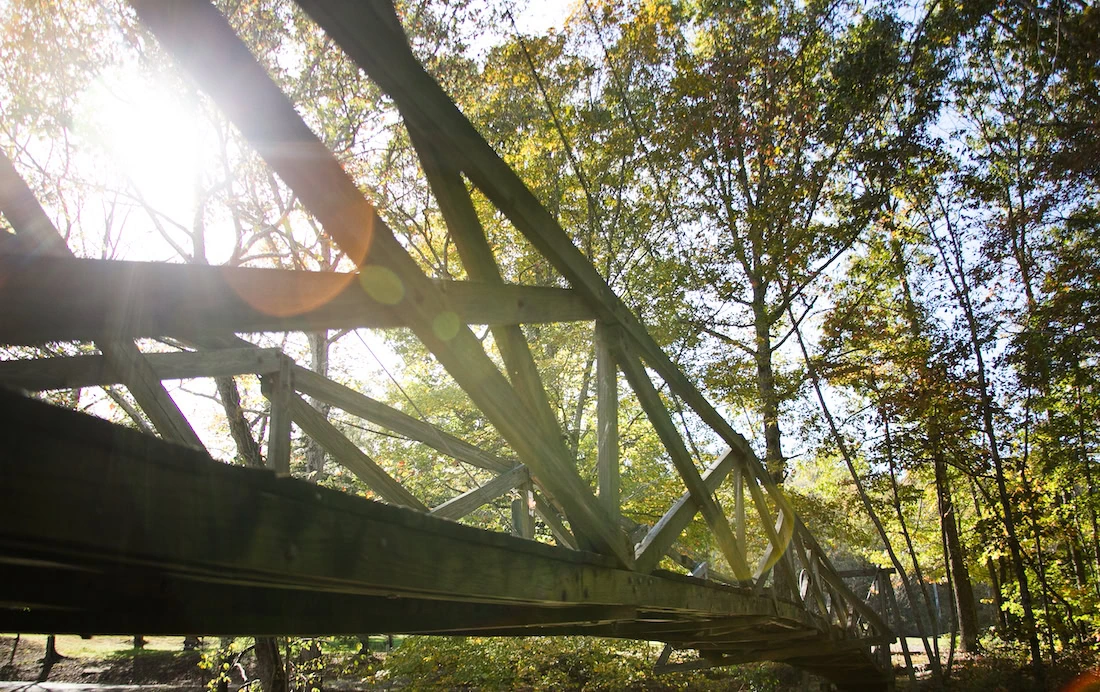
Trauma once convinced Emily that a gentle tap meant danger. Walking The Bridge’s trails, her body began to believe a new truth—some people are safe; connection can feel good. She still startles now and then, but fear no longer runs her life.

If you check door locks twice or dodge real talks with your close relations, remember: the hurt is real, but so is healing. You don’t have to do it alone. Step onto the bridge; steady hands are waiting to help.

Want details? Explore the trauma workshop or call The Bridge for a private chat.

Request a Confidential Callback