Relational Trauma Therapy

Relational trauma therapy at The Bridge to Recovery rebuilds trust, heals attachment wounds, and helps you rediscover connection through intimate, group‑centered care.

Relational Trauma Therapy

It always starts with a harmless ping. You glance at your phone, waiting for a “Got home safe!” text from a friend—but nothing comes. A knot forms in your stomach: Did I overshare? Am I getting the cold shoulder? If that spiral sounds familiar, you may carry invisible bruises from relationships that hurt instead of helped.

When the people who should protect us keep breaking trust, the nervous system rewires itself. Suddenly every pause or change in tone feels like danger. Relational trauma therapy helps rewrite that story, teaching your body and mind that connection can feel calm, not explosive.

Relational Trauma Therapy at the Bridge to Recovery: An Overview

Relational trauma develops from repeated trust violations—such as neglect, criticism, or betrayal—by people who were supposed to offer safety, gradually teaching the brain that connection is dangerous. Survivors often struggle with shame, boundary confusion, hypervigilance, and patterns that repeat old hurts, sometimes leading to anxiety, depression, or complex PTSD. The Bridge to Recovery in Kentucky addresses this through relational trauma therapy, which combines safe, consistent relationships with evidence-based skills like CBT, mindfulness, and boundary practice.

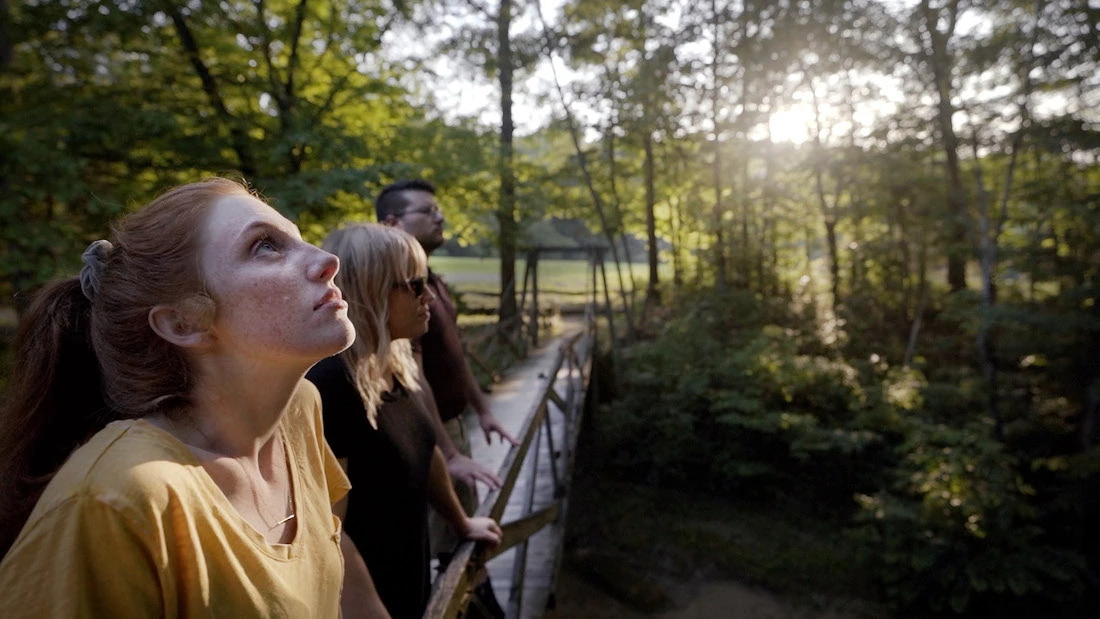
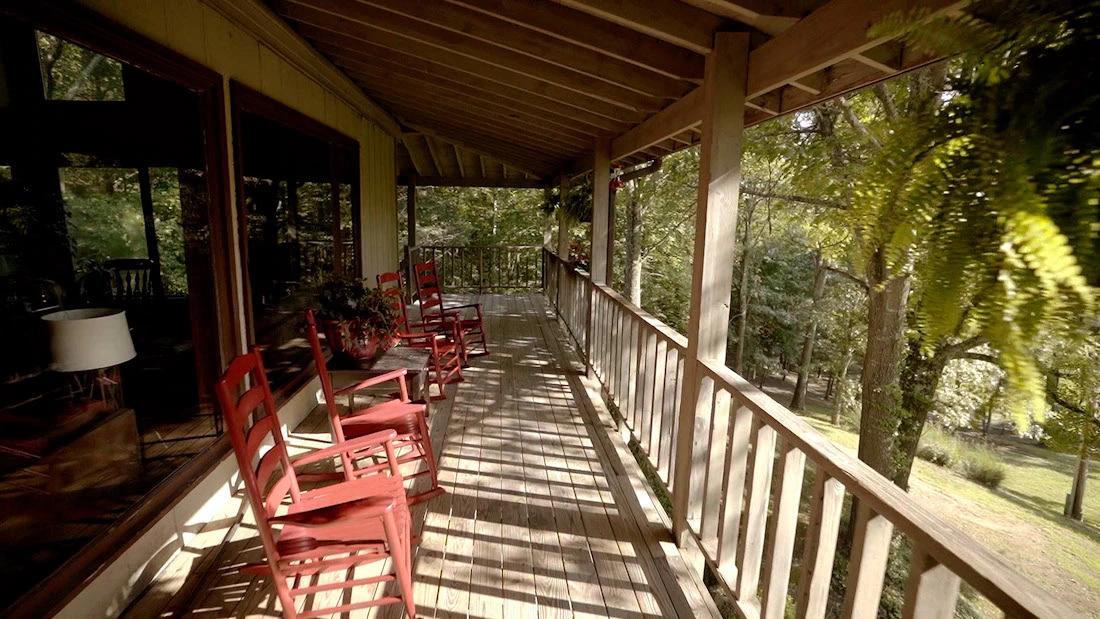
Just an hour and 20 minutes North from Nashville, Tennessee sits our healing refuge. Hidden away on 120 acres of rolling Kentucky hills.

What Is Relational Trauma?

Think of relational trauma as a slow‑burn injury. Day after day—through neglect, harsh criticism, or betrayal—your sense of safety wears away until suspicion feels normal. Over time, these tiny cuts teach the brain a cruel lesson: people are dangerous.

Unlike one big event, relational trauma is “death by a thousand paper cuts.” A child tiptoes around a parent’s moods; an adult avoids closeness or clings to unhealthy bonds. Survivors often face:

  • Chronic self‑doubt and shame. “This keeps happening, so it must be my fault.”
  • Boundary confusion. Saying yes to everything—or running as soon as things get close.
  • Hyper‑vigilance. One raised eyebrow can feel like a storm warning.

If ignored, these patterns can grow into anxiety, depression, or complex PTSD.
Why Relationships Feel So Hard

Picture the brain as a guard dog that’s been kicked too many times—now it barks at every knock, even friendly ones. The CPTSD Foundation notes that survivors often repeat old pain, choosing partners or bosses who echo the first hurt. It’s not weakness; it’s a nervous system trying to finish a story that never got an ending.

Physically, nonstop stress keeps cortisol pumping, stealing sleep and wearing down the immune system. Many people feel tired yet wired—wide awake at 3 a.m. while their body begs for rest.

This is where therapy for relationship issues and relational trauma can help.

How Relational Trauma Therapy Heals

Relational trauma therapy says, “Let’s write a new chapter together.” Healing rests on two pillars:
  1. Safe, steady relationships with therapists and peers that show connection can soothe, not sting.
  2. Evidence‑based skills that calm the nervous system, challenge harmful thoughts, and practice healthy boundaries until they feel natural.

Cognitive Behavioral Therapy (CBT)

CBT is the Swiss‑army knife of trauma care. With your therapist, you trace the loop—thought (“Everyone leaves”), feeling (panic), action (push people away)—then replace it with a kinder, truer story. Studies show CBT eases PTSD symptoms and improves daily life.

Group Therapy: Healing in Company

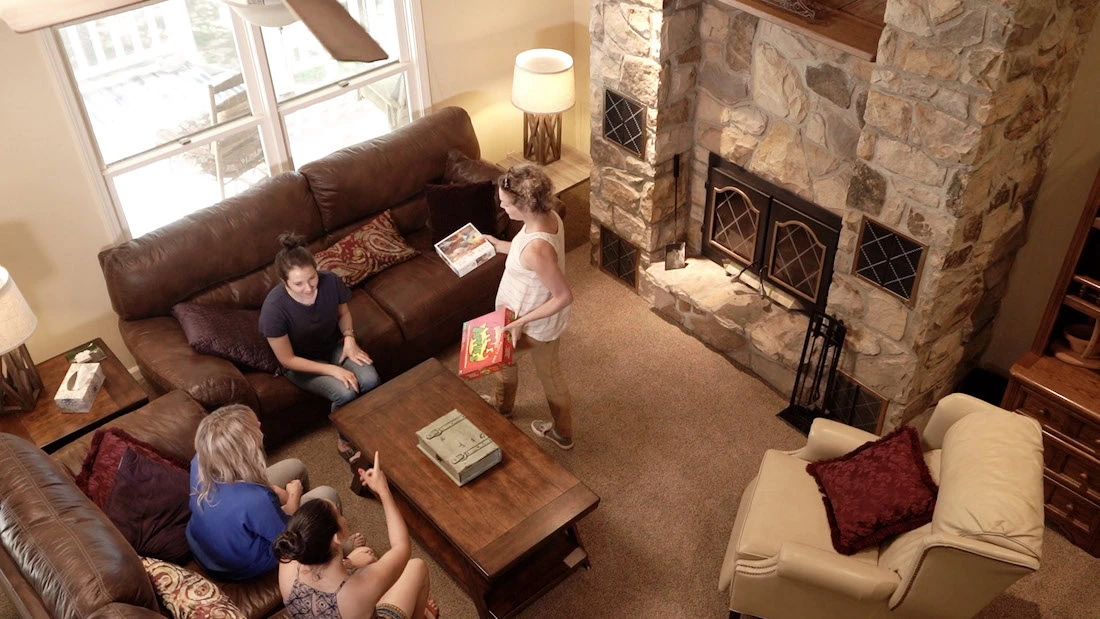
Because hurt happened in relationship, healing in relationship is key. In The Bridge to Recovery’s small groups, a close cohort (ten people max) shares meals, wins, and rough days—proving that being open doesn’t have to hurt. A 2019 review found trauma‑focused group therapy works as well as individual care while adding priceless support.

Equine Therapy: Trust on Four Legs

When words fall short, a gentle, 1,000‑pound partner steps in. During equine therapy, a horse mirrors your nerves, then relaxes when you do. Columbia University researchers saw veterans’ PTSD scores drop after eight weeks with horses, partly because the animals “offer immediate, honest feedback about emotions” (Columbia Psychiatry, 2021).
How We Help

The Bridge to Recovery’s Three‑Phase Approach

Set in Kentucky’s rolling green hills, The Bridge to Recovery guides clients through three clear phases—always with the same small group, so trust can grow:

  1. Uncover & Discover. Guided stories and lessons reveal how old wounds shape today’s reflexes.
  2. Digging Deeper. You practice boundaries, healthy talk, and self‑calming—often through role play or creative projects.
  3. Self‑Guided Healing. Peers lead while clinicians back them up, and alumni groups stay on call when life throws curveballs.

Throughout, CBT, mindfulness, hands‑on exercises, and equine sessions weave together, giving both body and brain a voice.

Relational trauma once taught you that people equal pain. Therapy—especially in a community like The Bridge—shows the opposite: people can equal healing. If you’re tired of bracing for the next blow, step onto new ground.

Curious about week one? Check out the residential workshop or call for a private chat. Your past wrote the prologue, but the rest of the story is still yours to write.

Learn More

FAQ

Why can’t I just “move on” from relational trauma? Trauma isn’t kept like a normal memory; it lives in the nervous system. Until therapy helps the body feel safe, the alarm keeps ringing.

Is group therapy scary if I don’t trust people? Understandable. Groups at The Bridge are small and trauma‑informed—you set the pace. Most clients soon say the circle feels like the safest spot on campus.

How long does healing take? It varies. The Bridge’s two‑week core workshop jump‑starts recovery, and alumni support sticks around for months—or years—if you want it.

Will equine therapy help if I’m nervous around animals? Yes. Sessions start on the ground with calm, trained horses. Many who begin wary end up calling the horse their “best therapist.”

Can relational trauma therapy work online? Virtual sessions help, but deep wounds often heal fastest in face‑to‑face settings like The Bridge, especially if you miss real‑world connection.


Request a Confidential Callback