
Acute Stress Disorder Treatment

The Bridge to Recovery’s acute‑stress‑disorder care blends CBT, equine therapy, and tight‑knit peers so you feel safe again.

Acute Stress Disorder Treatment

Imagine you’re waiting for coffee. A car door slams outside. Your heart leaps, and in a flash you’re back on that rainy highway—airbags, flashing lights, diesel in the air.

That runaway fear is called acute stress disorder (ASD). It isn’t weakness; it’s your brain’s alarm stuck on high. With the right help, you can shut it off and learn to trust quiet moments again.

Acute Stress Disorder Treatment: An Overview

Acute stress disorder (ASD) is a short-term but intense response to trauma, marked by intrusive memories, hypervigilance, avoidance, and dissociation in the 3–30 days after an event. Without early intervention, up to 80% of untreated ASD cases develop into post-traumatic stress disorder (PTSD) within six months, making prompt care crucial.

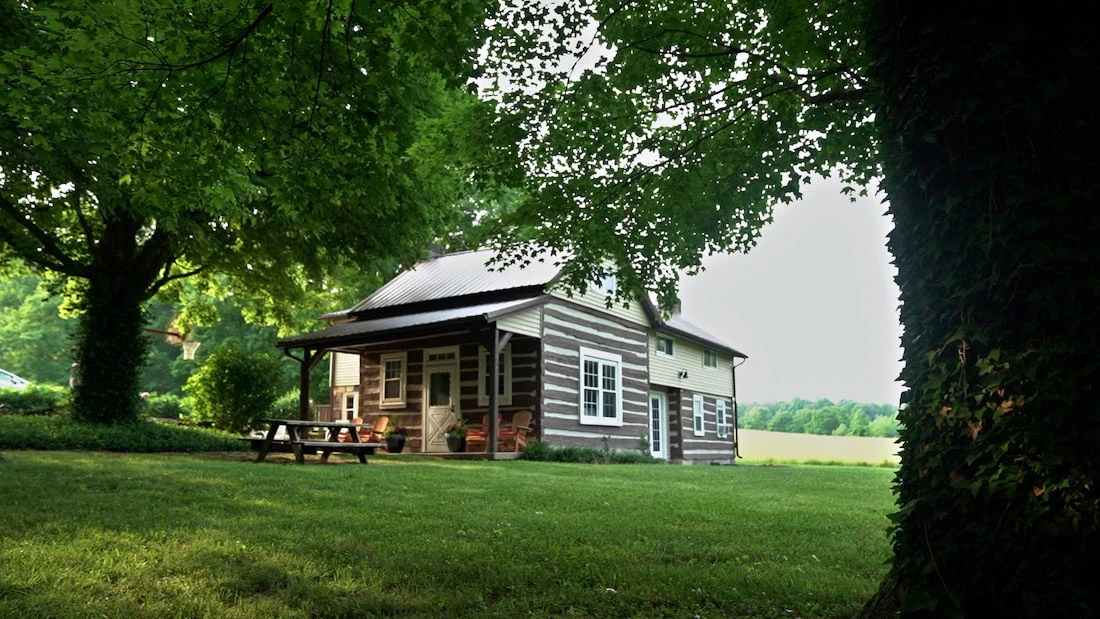
Just an hour and 20 minutes North from Nashville, Tennessee sits our healing refuge. Hidden away on 120 acres of rolling Kentucky hills.

What Happens Inside the Brain

Trauma hijacks the amygdala—your inner smoke detector. In ASD, it keeps blaring for 3 – 30 days after danger has ended (DSM‑5‑TR). Between 6 % and 33 % of trauma survivors meet this mark, especially after violent events.

If no one quiets the alarm, it can hard‑wire into post‑traumatic stress disorder (PTSD). About 4 in 5 untreated ASD cases turn into PTSD within six months. Early care isn’t just self‑care—it protects your future and keeps the trauma from taking root.

Here are five signs that may indicate acute stress disorder:

  1. Flashbacks & Nightmares – scenes so sharp you almost taste the dust.
  2. Avoidance – dodging roads, news, or talks that poke the memory.
  3. Dissociation – moments you feel floaty, like watching life through glass.
  4. Hyper‑arousal – jumpy, sleepless, or snapping fast.
  5. Brain Fog – burning toast twice, forgetting simple things.

If these sound like yesterday, call for backup.
Science‑Backed Ways to Quiet the Alarm

Think of trauma like a fresh sprain: ice it now and you’ll jog by fall; ignore it and you may limp for years.  Tomorrow‑you will thank today‑you for getting help, and your loved ones will see the difference sooner than you expect.

  • Trauma‑Focused Cognitive Behavioral Therapy (CBT). A therapist helps you spot fearful thoughts, practice grounding (box breathing, five‑senses check‑ins), and, when you’re ready, revisit the memory safely so panic fades.
  • Graduated Exposure. Short, controlled doses of sights or sounds that scare you until your body learns, “We’re safe.” Each tiny victory rewires the brain toward calm.
  • Short‑Term Medication. SSRIs or gentle sleep aids can steady nerves so therapy sticks—like crutches while a bone knits.
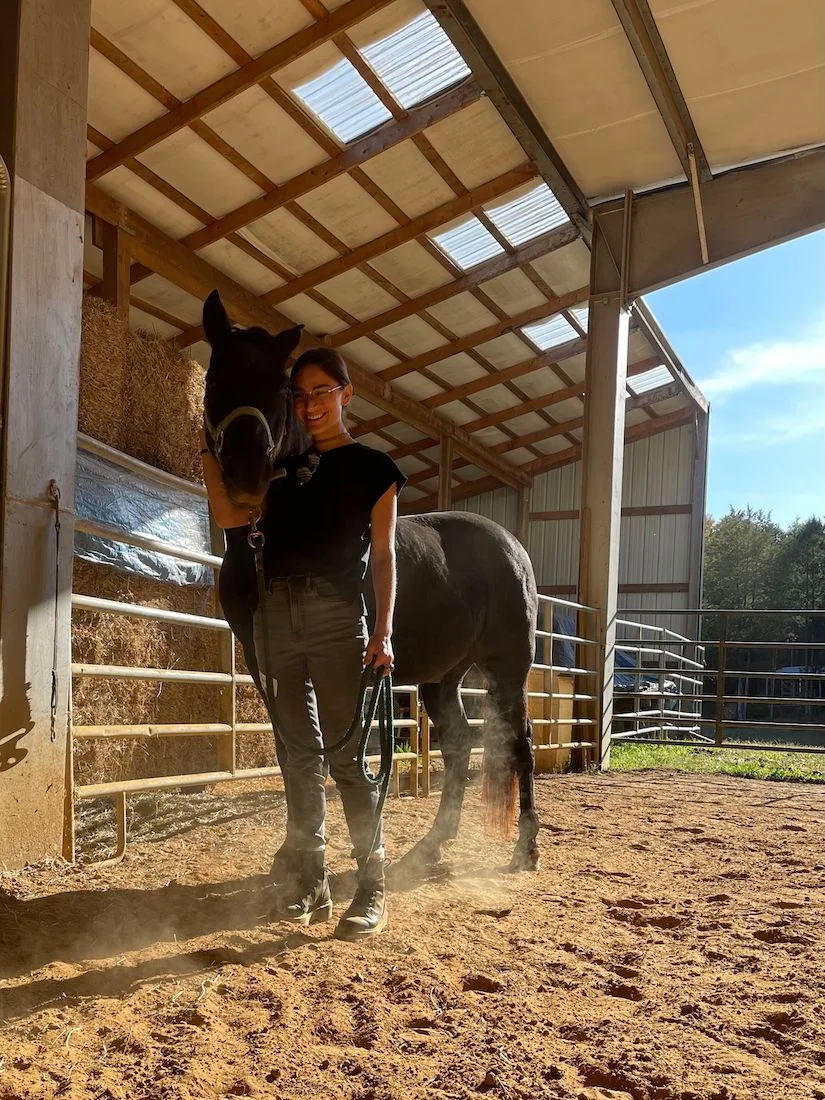
  • Mind‑Body & Experiential Tools. Breathwork, light yoga, and equine‑assisted therapy tap the body’s brake pedal. Horses mirror your mood; calm your breath and the horse calms too—biofeedback on four hooves. Many guests say this quiet partnership teaches trust faster than words ever could.

Why Choose The Bridge to Recovery

Tucked in Kentucky’s hills, The Bridge is a two‑week reset for mind and body—not just lectures. What makes it different?
  • Tiny Peer Cohorts. About ten people who get your midnight panic text.
  • Three‑Phase Arc to see why your brain is on overdrive, set boundaries, rewrite thought loops with intensive CBT, and practice new habits while still surrounded by support.
  • Whole‑Body Menu. Group talks, one‑on‑one sessions, long walks with gentle horses that don’t care how tough you once were.
  • Leave‑With‑a‑Plan Promise. Staff sync with your home therapist—or help you find one—so gains survive the flight home and don’t fade in daily noise.
Learn More

FAQ

ASD vs. PTSD—what’s the line? Thirty days. After that, doctors call it PTSD.

Must I take medication? No. Therapy is the main help; meds are optional for strong anxiety or tough insomnia.

Could ASD fade on its own? Sometimes. But structured help stacks the odds your way.

When should I seek treatment? As soon as panic hijacks sleep, work, or joy—ideally within the first month. Waiting rarely makes things easier.

How do I help a friend with ASD? Listen, cut daily stress (meals, childcare), and guide them toward pro help—maybe show them The Bridge’s site over coffee.

Acute stress disorder is your brain yelling, “Never again!”—just a bit too loudly. With proven therapy, caring peers, and maybe a horse or two, that shout can soften into a wise whisper: “You made it. Now breathe.” Reach out today; calm is closer than it feels, and your future self will be glad you did.

Request a Confidential Callback