Gallatin Mental Health Retreat

The Bridge to Recovery’s residential mental health retreat near Gallatin, TN offers trauma-informed care and lasting support in a peaceful setting.

Gallatin Mental Health Retreat

Gallatin’s courthouse square bustles with music, antiques, and café conversations—but inside too many homes the story is different. Anxiety, depression, and the long shadow of trauma weigh heavily, and residents often struggle to find timely help. If you have been searching online for mental health care near Gallatin TN hoping for something more than an overbooked clinic, know that real, life-changing care is only an hour up the interstate at The Bridge to Recovery residential workshop. For 50 years, this retreat-style program has helped Tennesseans shed the burdens that ordinary therapy can’t always lift.

Request a Confidential Callback

Why Gallatin Needs Deeper Mental Health Support

According to America’s Health Rankings 2023, nearly 20 % of Tennessee adults report “frequent mental distress,” meaning poor mental health at least half of every month. Sumner County’s own health profile shows just 83 mental health providers per 100,000 residents—about half the state median. With providers stretched thin, waitlists lengthen and many folks simply “tough it out” until symptoms spiral.

Local nonprofits do heroic work—NAMI in Sumner and Wilson Counties runs free family and peer support groups—but even they acknowledge the gap for people coping with deep-rooted trauma. Bridging that gap often requires getting away from daily triggers so healing can start in earnest.

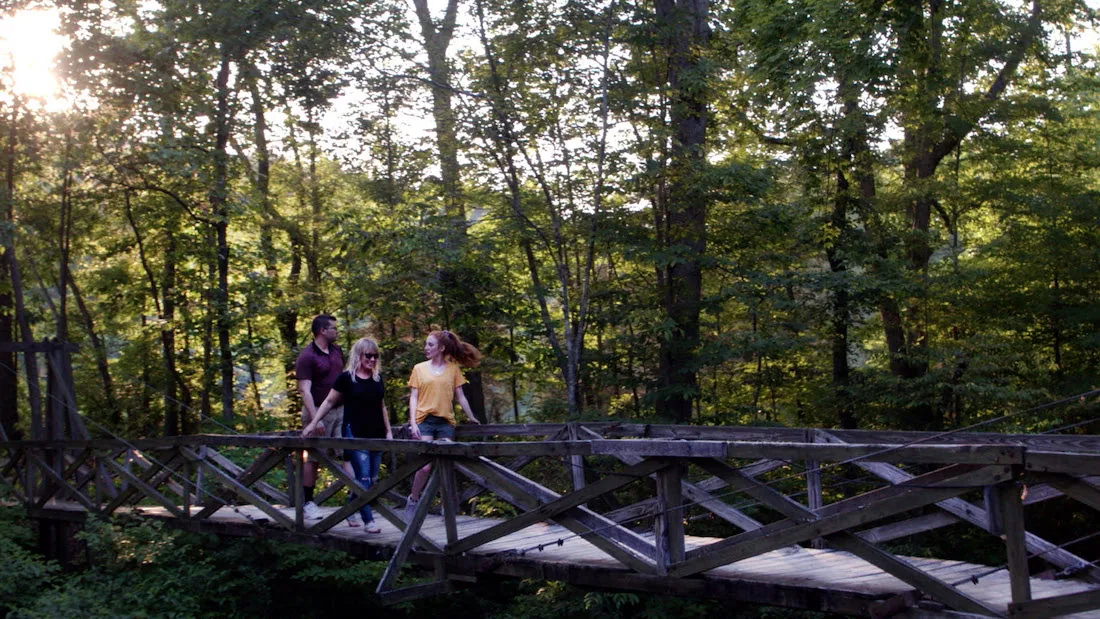
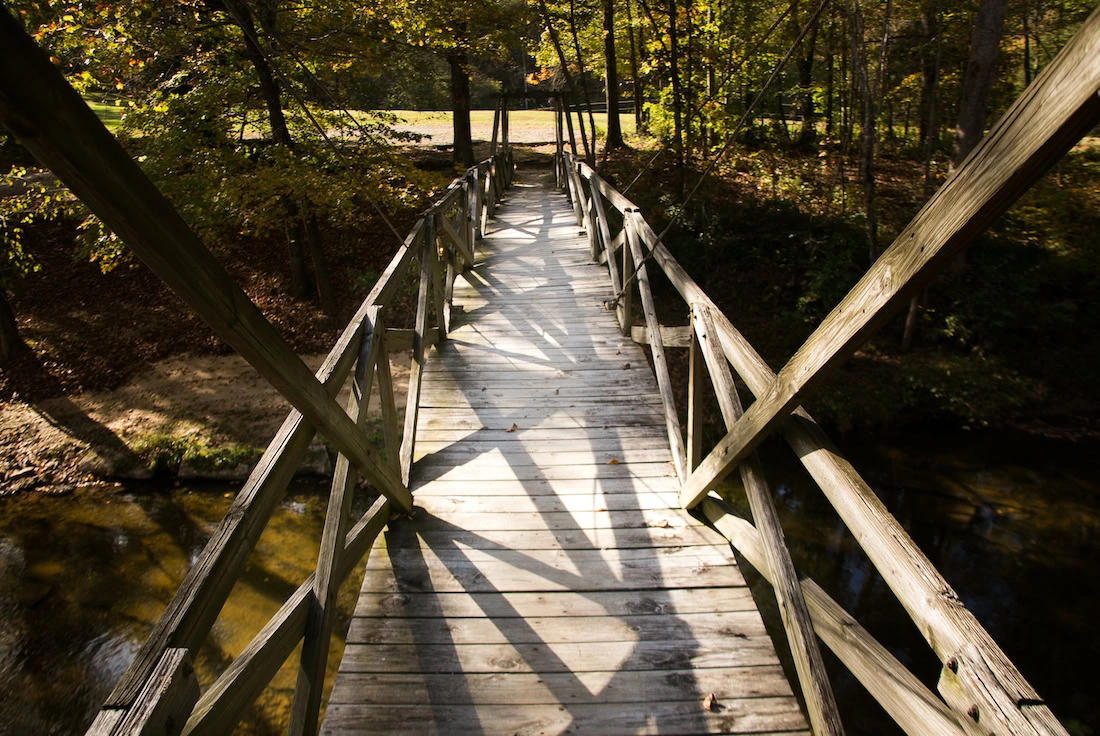
Just an hour and 20 minutes North from Nashville, Tennessee sits our healing refuge. Hidden away on 120 acres of rolling Kentucky hills.

The Bridge to Recovery: A Retreat-Style Solution

A Small-Group Model That Accelerates Healing

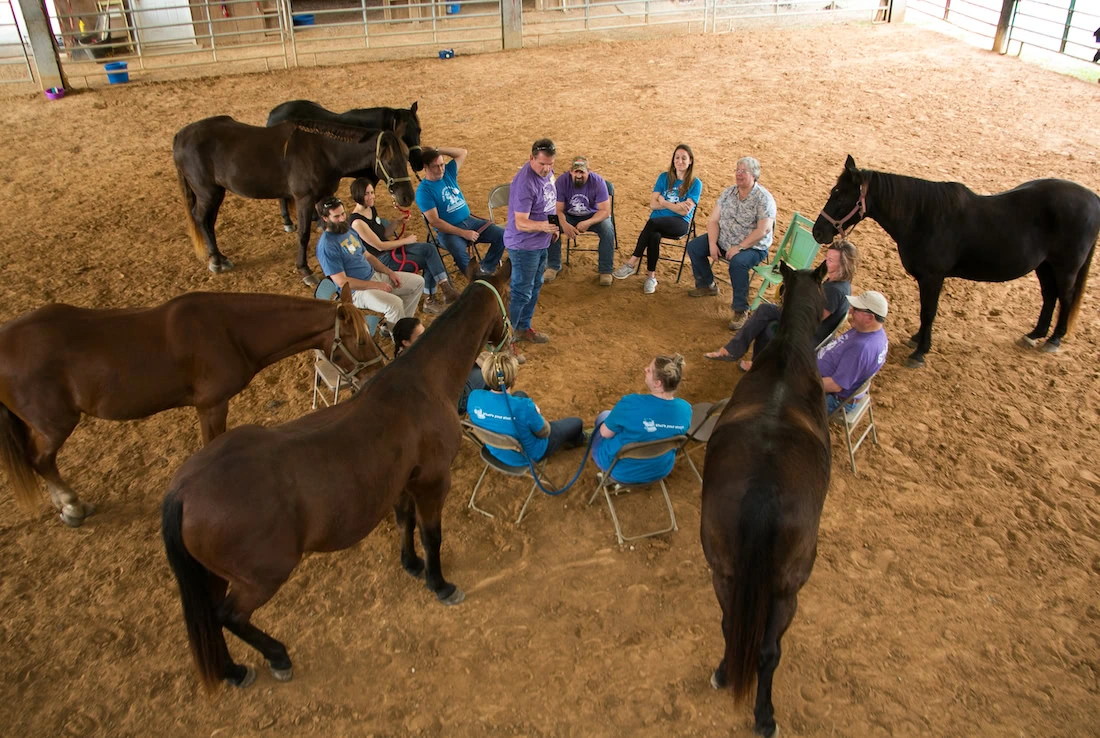
The Bridge to Recovery limits each incoming cohort to 10 participants, creating a secure circle where you’ll feel seen and supported from day one. Everyone arrives on the same Monday, shares every activity, and graduates together two weeks later. That continuity turns the group into an engine of accountability and encouragement—a dynamic standard outpatient therapy rarely achieves.
Three Phases, One Transformational Arc

  1. Uncover & Discover – Gentle exercises help you map personal trauma history and recognize patterns driving anxiety, depression, codependency, or rage.
  2. Digging Deeper – Licensed clinicians use cognitive-behavioral therapy (CBT), boundary-setting workshops, and expressive modalities to rewrite those patterns.
  3. Self-Guided Healing – Peer-led sessions rehearse new coping skills so they feel natural before you return home.

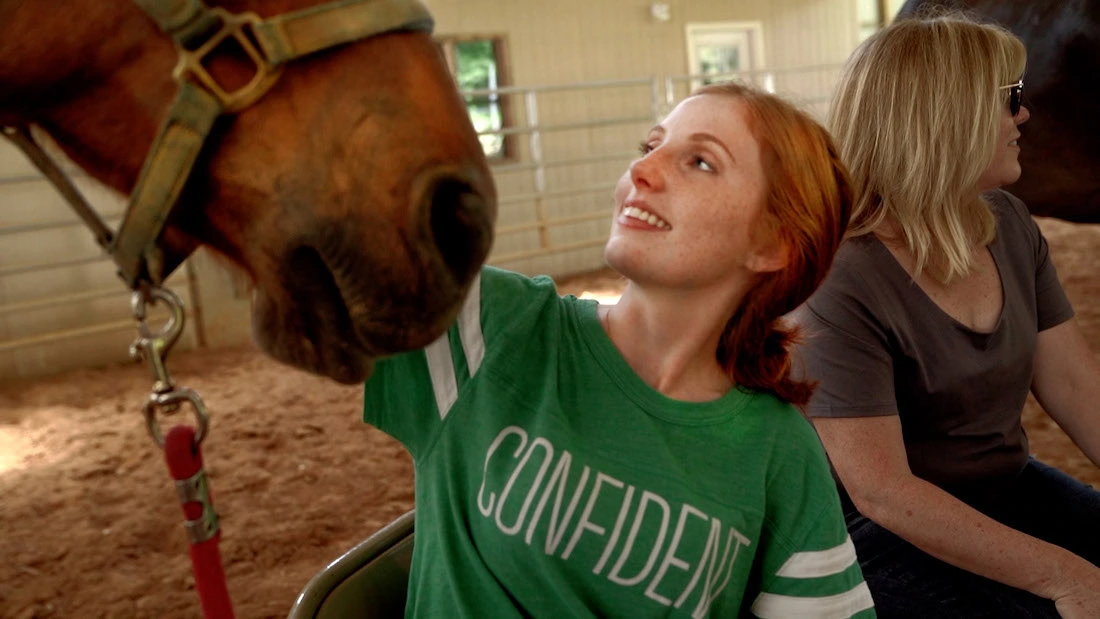
Throughout all phases, experiential therapies make abstract lessons tangible. In equine-assisted psychotherapy you partner with a horse whose honest feedback teaches trust and emotional regulation. On quiet afternoons you might practice breathwork beside the property’s spring-fed creek or journal in a shady hammock while songbirds trill overhead. Every activity is designed to calm the nervous system and reopen pathways for connection.

Trauma-Informed From Intake to Aftercare

Our team can collaborate (with permission) with your hometown therapist so progress continues seamlessly after you leave. If you don’t yet have one, admissions will match you with a vetted Gallatin-area counselor before discharge. Alumni also join weekly virtual check-ins with Bridge staff and peers, ensuring support never ends when the retreat does.

Closer Than You Think: Just an Hour Away

For many Middle Tennesseans, “going away” sounds expensive or inconvenient. In reality, the drive from Gallatin to Bowling Green clocks in at 51 miles—about 55 minutes on I-65. Family members can easily visit for weekend therapy sessions, and you can head home quickly should an emergency arise. The short distance also means less logistical stress: no flights, no layovers—just pack, drive, heal.

Community Roots, Local Impact

Gallatin’s resilience shows in city-sponsored mental-health fairs, church-hosted grief groups, and the expanding crisis line network. By stepping away for two weeks and returning stronger, Bridge alumni often become catalysts for that local momentum—volunteering with NAMI, starting peer-run support circles at churches, or simply modeling healthy boundaries for friends and coworkers.

If you decide to attend, you won’t lose touch with Gallatin. Instead, you’ll bring back new tools: daily grounding routines, a clear relapse-prevention plan, and a phone full of peer contacts who understand your journey. Think of the retreat as a bridge—spanning the distance between surviving and truly living.

Ready to Take the First Step?

Recovery starts with a conversation. Call The Bridge to Recovery at 1-364-204-9609 to speak with an admissions specialist who will answer questions about insurance, travel, and program fit. If you’re in crisis now, dial 988 for the Suicide & Crisis Lifeline; help is immediate and confidential. Your story doesn’t end with trauma or depression. Let The Bridge to Recovery help you write the next chapter—one where peace, purpose, and connection replace pain.

Frequently Asked Questions

Outpatient therapy is invaluable, but healing complex trauma in a once-a-week hour can feel like bailing out a boat with a coffee mug. The Bridge to Recovery immerses you in 12-plus hours of therapy and skill practice daily, compressing months of progress into two weeks. Afterward you resume outpatient sessions in Gallatin—only now with momentum and a personalized toolkit.

While many guests draw strength from spirituality, the retreat is not affiliated with any religion. Clinicians respect all faiths (or none) and focus on evidence-based practices. Meditation, breathwork, and nature walks are offered as secular grounding options.

Yes. Midway through the workshop, loved ones attend an on-campus family day that teaches healthy communication and boundary-setting. Because Bowling Green is close, families from Gallatin often make day trips or stay overnight in nearby hotels.

Program fees cover lodging, meals, therapy, and aftercare planning. Many PPO policies reimburse a portion of residential mental-health treatment; the admissions team will verify your benefits and explain payment plans if needed. Financial questions are handled privately—call 1-364-204-9609 for details.

Yes. Most guests arrange two weeks of leave. Employers often approve unpaid medical leave under FMLA, and high-school or college students can coordinate with counselors for excused absences. The payoff is returning with clearer focus, improved mood, and healthier stress-management skills.